California Regional Map
Pallets in California: A Regional Supplier Map for Southern California
By Bro Pallets LLC Team | Published May 19, 2026
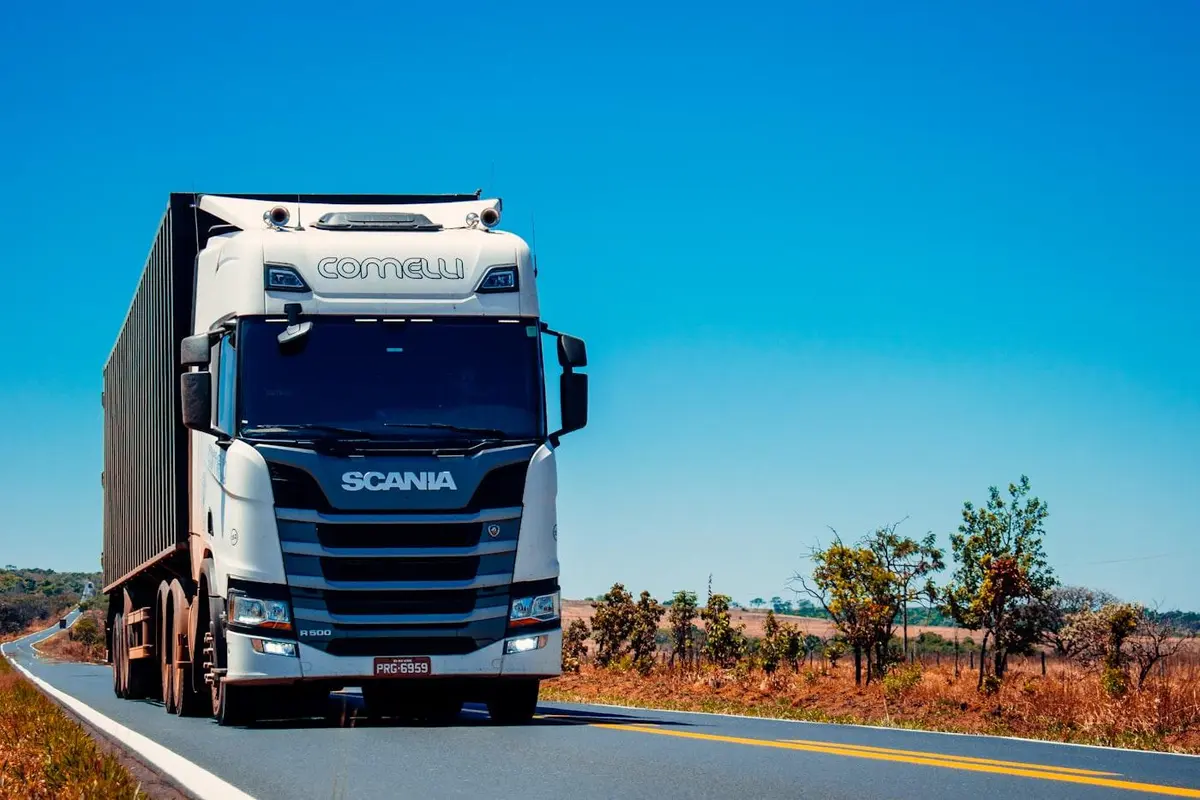
California moves more pallet freight than any other state in the country. Roughly 40 percent of US imports come through the San Pedro Bay port complex, and the goods riding those containers land on pallets the moment they leave a chassis. The supply network that feeds the warehouses is regional rather than statewide — a yard in Vernon does not really compete with a yard in Stockton, and a Sacramento operation has limited reason to quote a Long Beach exporter. This article maps the Southern California half of that network, which is where most of the freight volume lives.
If you are sourcing for an operation farther north — the Bay Area, Stockton, Sacramento, or the Central Valley — we still occasionally quote, but the route economics generally favor a regional supplier closer to your dock. Within SoCal, the picture is different, and below is the working map.
Why "California" Is a Misleading Search
When buyers type "pallets California" into a search engine, the underlying need is almost always local. Pallets are a low-cost-to-weight commodity. Move one across the state and the freight bill swamps the price of the pallet itself. The economics are roughly the same as bottled water: the further the truck drives, the worse the deal gets. Real supplier choice in California breaks down by region.
The seven regions below cover the populated half of the state. The exact route language and yard locations vary by supplier, but the structure is consistent across operators.
Region 1: Los Angeles County Core
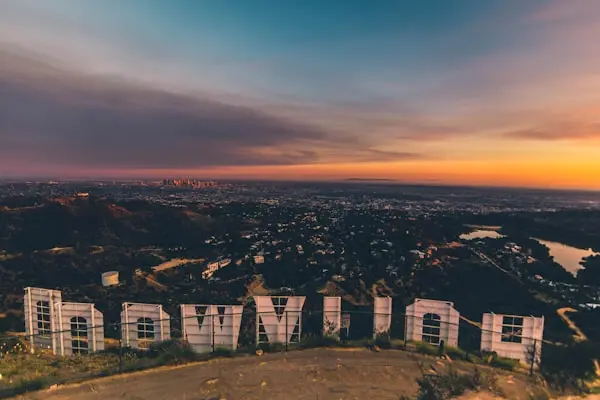
The densest pallet market in California by a wide margin. Vernon, Commerce, Downtown LA, Boyle Heights, and the surrounding industrial corridor consume the bulk of the volume. Food prep, garment, hardware, and import distribution dominate end use. Same-day delivery is the operating standard for any supplier with a yard inside the corridor.
Our yard at 1160 E 78th Street is in the Florence district of South LA, just south of Vernon. For account-level routing across this region, the Los Angeles supplier page details the footprint, and the LA quick guide covers everything a buyer typically wants in five minutes. Neighborhood-specific sourcing is documented in the Vernon industrial corridor article and the Boyle Heights sourcing guide.
Region 2: Long Beach & the Port Complex
San Pedro, Wilmington, Carson, Long Beach proper. This is where export volume lives. Heat treated ISPM-15 pallets dominate the SKU mix because most outbound freight is bound for ports the IPPC recognizes — Mexico, Central America, Asia-Pacific, and the EU. The Long Beach supplier page and the export pallets article walk through the port-side workflow in detail.
Suppliers serving this region need bilingual dispatch as a baseline. A meaningful share of the dock supervisors on the port-adjacent freight handlers run their day in Spanish.
Region 3: Orange County
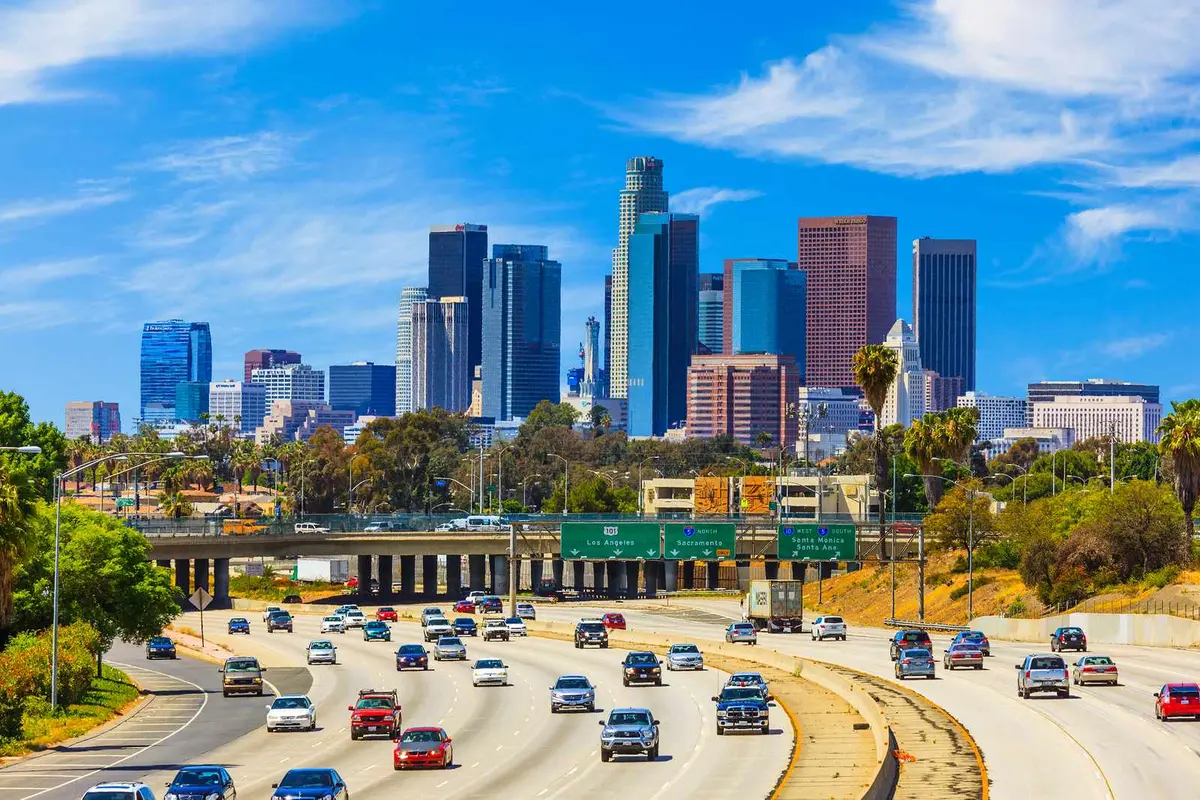
Anaheim, Santa Ana, Fullerton, Buena Park, Irvine, Lake Forest. The mix shifts from heavy industrial toward distribution, electronics, biomedical, and food. Pallet grades trend cleaner because more end users audit inbound freight. The Orange County page details routing by city. For specialty plastic stock used by the food and pharma accounts in Buena Park and nearby, the plastic pallets SFV and Buena Park guide covers cold-chain specifications.
Region 4: Inland Empire
Ontario, Fontana, Rancho Cucamonga, Riverside, San Bernardino, Perris, Moreno Valley. The Inland Empire holds roughly 700 million square feet of industrial space, a number that has roughly doubled over the past decade. Most of the freight is distribution-driven: Amazon, Walmart, Target, and the smaller 3PLs that handle their overflow.
Pallet flow here is bidirectional. Inbound containers from the port arrive on whatever stock the shipper used, and the receiving warehouses redistribute on standardized 48×40 GMA pallets. Suppliers covering the IE need to handle both buyback at scale and bulk inbound supply. The Inland Empire supplier page covers the footprint.
Region 5: San Fernando Valley

Sun Valley, Pacoima, Van Nuys, Chatsworth, Burbank, Canoga Park, Sylmar. Aerospace, entertainment, film production, and food processing dominate. The aerospace and machinery accounts pull oversized stock more often than other LA regions — 60×48, 96×48, and custom dimensions show up regularly. For more on that, the oversized pallets article covers sourcing and freight class.
Cold-chain demand around Sun Valley and Pacoima also drives plastic HDPE pallet volume. The SFV supplier page details routing.
Region 6: South Bay & Compton Corridor
Compton, Carson, Gardena, Torrance, Hawthorne, Inglewood, El Segundo. Aerospace, satellite manufacturing, and specialty assembly dominate. SpaceX and the surrounding ecosystem of aerospace suppliers consume custom and reinforced pallet stock at meaningful volume. The South Bay supplier page covers detail by city.
Region 7: City of Industry & San Gabriel Valley
City of Industry, West Covina, El Monte, Baldwin Park, La Puente, Hacienda Heights, Pomona, Covina. The freight mix is heavily import-distribution driven, particularly for goods entering Asian-American grocery, restaurant, and import trade. Pallet volume swings with seasonal import cycles around Lunar New Year and the second-half retail season. The City of Industry supplier page walks through routing.
Beyond Southern California
For operations in the Bay Area, Central Valley, or Northern California more broadly, the working pattern is the same: find a regional supplier within a 30-to-60 minute drive of your dock. The pallet itself is rarely the bottleneck; freight cost on the delivery is. A supplier two hours away can quote a low pallet price and still come in higher than a local operator after the freight surcharge clears.
Our service footprint covers LA County, Orange County, the Inland Empire, the San Fernando Valley, the South Bay, the San Gabriel Valley, and the Long Beach port complex. For SoCal accounts, the entire footprint runs out of one yard in Boyle Heights with same-day or next-day routing in most cases.
Picking a California Supplier: What Actually Matters
The price per pallet is the easy comparison. The variables that move the total cost of ownership are harder to spot on a first quote. A short list of what to confirm before signing recurring volume:
- Yard location relative to your dock. Within 30 minutes means same-day is real. Beyond an hour, "same-day" is marketing language.
- In-house manufacturing vs. brokered supply. The manufacturers article explains the difference and why it matters when a load fails inspection.
- Bilingual dispatch. Spanish-language receiving docks are the norm in central LA, the port complex, and parts of the IE. English-only dispatch creates translation friction at every step.
- Buyback or surplus pickup. Pallets cycle in both directions. The sell pallets guide walks through the buyback structure.
- Heat treated availability. If any of your freight crosses a border, ISPM-15 stock has to be in stock locally, not back-ordered. The ISPM-15 guide covers the regulation.
Pricing benchmarks for the LA region live in the 2026 pallet prices article, with bulk economics in the wholesale guide. Current inventory is on the products page, and quotes route through the quote form.
Frequently Asked Questions
Do you deliver pallets across all of California?
Within Southern California, yes — LA County, Orange County, the Inland Empire, the San Fernando Valley, the South Bay, the San Gabriel Valley, and the Long Beach port complex. For Northern California, the Bay Area, and the Central Valley, freight economics generally favor a regional supplier closer to the destination dock. We occasionally quote outside SoCal for specialty stock that is not available locally.
Why does location matter so much for pallet pricing?
Pallets are a low-cost-to-weight commodity. A truckload moves roughly 500 to 600 pallets, so the freight cost spreads thin on a long haul, but the delivery still adds dollars per pallet on top of the unit price. A supplier two hours from your dock can quote $2 less per pallet and still come in $4 higher after freight. Local sourcing within a 30-minute drive is the rule that actually saves money.
Which California region has the highest pallet demand?
The Vernon and Commerce corridor inside LA County by a wide margin, followed by the Inland Empire distribution belt. Together they account for the majority of pallet flow in the state. Long Beach and the surrounding port complex sit close behind, particularly for heat treated export stock.
Do you serve aerospace and specialty manufacturing in the South Bay?
Yes. South Bay aerospace and specialty assembly accounts use custom-built and reinforced stock more often than general industrial accounts. Oversized dimensions and higher-grade lumber are standard in this market. The oversized pallets article covers the spec range and sourcing workflow.
Is there a free delivery threshold across all California regions you serve?
Yes. Free delivery applies at 100 pallets across the SoCal footprint. Below that threshold, a modest delivery fee covers route cost. Recurring accounts running weekly volume typically negotiate the fee structure into a flat monthly rate that simplifies invoicing.
One Supplier, One Yard, Seven SoCal Regions
Whatever your zip code — from Sun Valley to San Pedro to Riverside — we route from a single South LA yard with bilingual dispatch and same-day or next-day delivery on most addresses.
☎ (213) 703-5326 English
☎ (323) 674-6876 Español
REQUEST A FREE QUOTERelated Articles
Pallets in LA: Quick Guide
The five-minute reference for LA County buyers across types, grades, and delivery.
Wholesale Pallets in LA
Bulk pricing, route economics, and recurring supply across the LA basin.
Delivery Times Across LA
Live windows by neighborhood, including same-day routing thresholds.