Wholesale Pallets Guide
Bulk Pallet Buying in Los Angeles: Tips for Getting Better Deals
By Maynor Martinez, Bro Pallets LLC | Published March 29, 2026
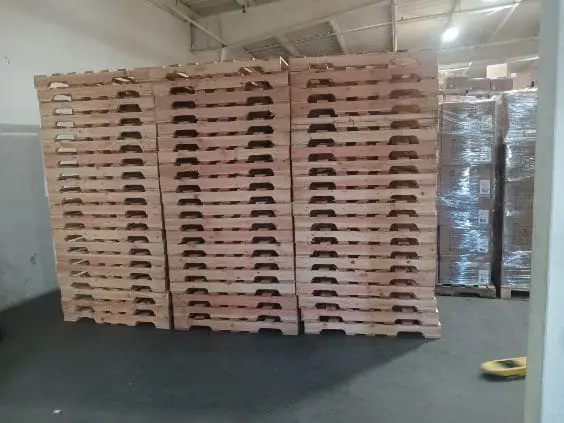
If you are looking for wholesale pallets in Los Angeles, you are probably managing a warehouse, distribution center, or manufacturing operation that goes through hundreds or thousands of pallets every month. Buying wholesale is the smartest way to reduce your per-unit pallet cost, but knowing where to buy and what to look for can make a significant difference in the deal you get.
Wholesale pricing, finding the right supplier, and getting the best possible rates — those are the three things that separate a good pallet deal from a great one in the Los Angeles market.
What Does Buying Wholesale Pallets Actually Mean?
Wholesale pallet buying means purchasing pallets in bulk quantities directly from a supplier or manufacturer at a reduced per-unit price. Unlike retail purchasing, where you might buy 10 or 20 pallets at a time at full price, wholesale orders typically start at 100 units or more and come with volume-based discounts that can save your business a substantial amount over the course of a year.
The concept is straightforward: the more you buy, the less you pay per pallet. Suppliers can offer lower prices on large orders because they reduce production setup time, optimize delivery loads, and lower administrative costs per unit. Those savings get passed along to you as the buyer.
Who Buys Wholesale Pallets in Los Angeles?
The Los Angeles market is one of the busiest logistics corridors in the country, and wholesale pallet buying is common across a wide range of industries. Here are the types of businesses that benefit most from wholesale pallet purchasing:
Warehouses and Distribution Centers
The massive warehouse networks in the Los Angeles area, Vernon, Commerce, and the Inland Empire consume pallets at a staggering rate. Distribution centers handling consumer goods, electronics, food products, and general merchandise need a constant, reliable supply of pallets. Wholesale purchasing ensures they never run short and always get the best per-unit price.
Manufacturers and Producers
Manufacturing operations need pallets to move raw materials within their facilities and to ship finished products to customers. Consistent wholesale orders allow manufacturers to budget pallet costs accurately and avoid the premium pricing that comes with small, last-minute orders.
Third-Party Logistics Providers (3PLs)
3PL companies operating in the Southern California market manage logistics for multiple clients and need pallets across various sizes and grades. Wholesale buying gives them the flexibility to serve diverse client needs while keeping costs competitive.
Freight and Shipping Companies
Companies that handle freight consolidation near the ports of Los Angeles and Long Beach often need large volumes of pallets on short notice. Having a wholesale supplier relationship means faster fulfillment and better pricing compared to buying retail quantities.
Wholesale vs. Retail Pallet Pricing: What Is the Difference?
The price difference between wholesale and retail pallet purchasing can be significant. While exact numbers vary based on pallet type, grade, and market conditions, here is what you can generally expect in the Los Angeles market:
In the Los Angeles market in 2026, used wholesale pallets typically range from roughly $4 to $12 per unit depending on grade, condition, and order volume. New pallets run higher. These ranges shift with lumber costs and demand, so always request a current quote for your specific needs.
Retail purchasing (under 50 pallets): You pay the full listed price per pallet. There is little room for negotiation, and delivery costs per unit are higher because the supplier is running a truck for a relatively small order.
Wholesale purchasing (100+ pallets): Per-unit pricing drops noticeably. Delivery is often included or significantly discounted. You may also get priority scheduling and dedicated account management from your supplier.
High-volume wholesale (500+ pallets): This is where the best pricing lives. At this volume, suppliers can optimize their entire production and delivery process around your order, and the per-unit savings become substantial. For businesses that use pallets consistently, this tier offers the best long-term value.
For a detailed breakdown of current market rates, check our guide on pallet prices in Los Angeles for 2026.
How to Choose a Wholesale Pallet Supplier
Not all wholesale suppliers are equal. When you are committing to a bulk supply relationship, the right partner protects your operation from disruption. Here is what to evaluate:
Production Capacity and Lead Times
Ask how many pallets the supplier produces or processes per week. A supplier running at full capacity may struggle to accommodate rush orders or seasonal spikes. Ideally, your partner should be able to scale with your demand without requiring weeks of lead time for standard sizes. For details on how size, grade, and condition affect per-unit cost, see our 2026 pallet pricing guide.
Inventory Depth and Grade Availability
A wholesale supplier who stocks multiple grades and sizes on hand can fulfill mixed orders in a single delivery. If you need Grade A for retail loads and Grade B for internal moves, confirm your supplier can deliver both on the same truck without splitting orders or adding lead time.
Contract Flexibility
Some suppliers require rigid long-term contracts with fixed volumes. Others offer flexible agreements that let you adjust quantities month to month within a committed range. For businesses with variable demand, look for a supplier willing to set a baseline volume with room to scale up or down without penalty.
Geographic Coverage and Fleet
Your supplier's delivery fleet and geographic range matter. A partner with their own trucks covering the Los Angeles area, Inland Empire, Long Beach, and Orange County can offer faster turnaround and more reliable scheduling than one subcontracting deliveries to third parties.
Bilingual Communication
In the Los Angeles market, many warehouse teams and dock managers are Spanish-speaking. A supplier with bilingual staff eliminates miscommunication on order specs, delivery timing, and quality issues. This is a practical advantage, not a luxury, when you are coordinating recurring bulk orders.
Setting Up a Reliable Bulk Supply Chain
✓ Consolidate orders into volume tiers. Instead of placing multiple small orders throughout the month, batch your needs into fewer, larger orders. Crossing the 100-unit or 500-unit threshold unlocks the steepest per-unit discounts and often includes complimentary delivery.
✓ Negotiate a recurring delivery schedule. A standing weekly or biweekly delivery eliminates the need to reorder each time. Your supplier reserves production capacity for your account, and you avoid stock-outs during peak periods. Most suppliers will lock in favorable pricing for committed recurring volume.
✓ Designate a pallet staging area. Wholesale deliveries arrive on flatbed trucks with full stacks. Make sure your dock or yard has a dedicated unloading zone and enough floor space to store a delivery's worth of pallets without disrupting operations. Planning your staging area avoids bottlenecks on delivery days.
✓ Use a buyback loop to offset costs. If your operation receives inbound goods on pallets, those empties are worth money. Suppliers like Bro Pallets LLC will buy back your used pallets on the same truck that drops off your new order. This closed loop reduces your net cost and keeps your dock clear.
✓ Audit and adjust quarterly. Your pallet needs shift with seasonal demand, new product launches, and changes in shipping volume. Review your order history each quarter with your supplier and adjust your committed volume, grade mix, and delivery frequency to stay aligned with actual usage.
Bulk Delivery Options in Los Angeles
When you buy wholesale pallets, delivery logistics matter. A reliable supplier should be able to offer flexible delivery options that fit your operation:
Flatbed delivery: The standard method for large pallet orders. Pallets are stacked and strapped on flatbed trucks and delivered directly to your dock or yard.
Scheduled recurring delivery: Set up a standing delivery schedule so pallets arrive automatically at the frequency you need, without having to place individual orders each time.
Rush and same-day delivery: For urgent needs, many Los Angeles pallet suppliers can accommodate same-day or next-day delivery, though rush orders may carry a small premium. For typical lead times by zone — Downtown LA, Vernon, Long Beach, Inland Empire — see our pallet delivery times guide.
Complimentary delivery on volume orders: Orders of 100+ pallets ship at no extra cost to docks across LA County, Long Beach, Orange County, and the Inland Empire.
Warehousing Considerations for Bulk Pallet Orders
Buying wholesale means storing wholesale. Before committing to a volume tier, make sure your facility can handle the inventory:
Stack height limits. Wood pallets can typically be stacked 15 to 20 units high when nested properly. Know your ceiling clearance and local fire code limits before accepting a large delivery.
Outdoor vs. indoor storage. Untreated wood pallets stored outdoors absorb moisture, which can lead to mold, warping, and weight gain. If outdoor storage is your only option, cover stacks with tarps and keep them on a paved surface with drainage. Heat-treated pallets resist moisture better but are not immune.
Inventory rotation. Use a first-in-first-out system for your pallet stock. Pallets that sit too long can degrade, especially in Southern California's sun exposure. Rotating stock ensures every pallet you use is in the condition you paid for.
Why Choose Bro Pallets LLC for Wholesale Pallets
Wholesale buyers care about one thing above all: reliability. Give us your specs — pallet type, grade, quantity, and delivery cadence — and we will lock in consistent pricing with on-time delivery, bilingual service included.
Frequently Asked Questions
What is the minimum order for wholesale pallets in Los Angeles?
Wholesale orders typically start at 100 units or more. Orders under 50 pallets are generally considered retail purchases and carry higher per-unit pricing. The strongest discounts kick in at 500+ pallets, where production and delivery efficiencies become significant.
How much do wholesale pallets cost in Los Angeles?
In the 2026 LA market, used wholesale pallets generally range from roughly $4 to $12 per unit depending on grade, condition, and order volume. New pallets run higher. Pricing shifts with lumber costs and seasonal demand, so requesting a current quote for your exact needs is always the best approach.
Is delivery included with wholesale pallet orders?
Many suppliers include delivery on volume orders. We provide complimentary delivery on orders of 100+ pallets to locations across LA County, Long Beach, Orange County, and the Inland Empire. Scheduled recurring deliveries are also available for consistent supply.
Who buys wholesale pallets in Los Angeles?
Warehouses, distribution centers, manufacturers, third-party logistics providers (3PLs), and freight companies near the ports are the most common wholesale buyers. Any operation that cycles through hundreds or thousands of pallets monthly benefits from bulk purchasing.
Get Your Wholesale Pallet Quote Today
Tell us your volume, pallet type, and delivery location. We will reply with clear wholesale pricing — no obligation.
☎ (213) 703-5326 English
☎ (323) 674-6876 Español
REQUEST A FREE QUOTERelated Articles
Pallet Prices in Los Angeles 2026
Detailed breakdown of what drives pricing and how to get the best deal.
GMA Pallets Explained: Grade A, B, and C
Understanding grades helps you match quality to budget when buying wholesale.
How to Choose the Right Pallet Size
Make sure you are ordering the right dimensions before placing a bulk order.
Pallet Inspection Checklist
QC checklist for bulk shipments: what to verify on every batch before signing off.
Pallets for Sale in Los Angeles
Live stock and current sizes available for wholesale buyers across LA.