Procurement Guide
Pallet Suppliers in Los Angeles: How to Vet and Choose One
By Bro Pallets LLC Team | Published May 26, 2026
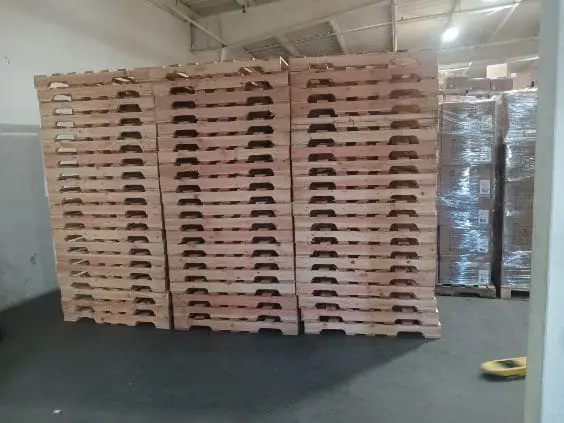
Buying a truckload of pallets once is easy. Choosing a supplier you will route purchase orders to every month for the next three years is a different decision, and most warehouses make it on price alone — then spend the next year dealing with stockouts, inconsistent grades, and a phone that goes to voicemail on the morning a container is waiting. The pallet is a commodity; the supplier relationship is not. This is a procurement checklist for picking one that holds up.
If you are not at the standing-account stage yet and just need to understand the LA market — types, grades, prices, who serves which neighborhood — start with the Los Angeles pallet quick guide. This article is for the buyer who is about to commit to one source.
The Seven Things to Vet Before You Commit
Run any candidate through these before a contract, not after the first problem:
- Inventory depth and consistency — Can they hold your standard SKU continuously, or do they scramble to source it each time you order? Inconsistent supply is the single most common reason accounts churn.
- Lead-time commitment — A real supplier quotes a window and meets it. "We'll try" is not a lead time. Ask what same-day and next-day actually cover.
- Grade discipline — Does a Grade B order arrive as consistent Grade B, or as a mix that drifts toward C? Grading drift is how you lose money quietly.
- Buyback and closed-loop — A supplier who also takes your used pallets back closes the loop and simplifies your logistics into one relationship.
- Custom capability — When you need a non-standard size, can they build it in-house, or do they broker it out and add a week?
- Compliance — If you export, they need heat treatment and valid ISPM-15 stamping as a standing capability, not a special order.
- Terms — Net-30 or another credit arrangement matters for cash flow on recurring volume. Ask early.
The first three are about reliability, and reliability is mostly a function of whether the supplier controls their own stock. That is also the line between a manufacturer and a broker — a distinction worth understanding before you sign, covered in the manufacturers vs. brokers article.
Single-Source or Multi-Source?

Procurement textbooks push multi-sourcing to hedge risk, and for some commodities that is right. For pallets at small and mid volume, it usually backfires. Splitting orders across two suppliers means you are a small account to both, which means you get neither's best pricing, best lead time, nor priority when stock is tight. Consolidating with one local source that controls its own inventory typically buys you better terms and a dispatcher who knows your account.
The exception is genuinely high volume or a critical single-point-of-failure risk, where a backup source earns its keep. Most LA warehouses are not there. If your concern is regional coverage rather than redundancy, the California regional supplier map explains why local sourcing beats statewide sourcing on the metric that actually decides cost: freight.
Why Local Wins on the Number That Matters
The pallet is cheap; the freight to move it is not. A supplier 90 minutes out can quote two dollars less per pallet and still land more expensive once the transport charge lands. The working rule for a recurring account: source inside 30 minutes of your receiving dock. That distance is what makes "same-day" a real commitment instead of a marketing line, and it is why our yard sits in Boyle Heights at the center of the LA industrial corridor rather than out at the county edge. Coverage by zone is on the Los Angeles supplier page and the broader footprint on the service areas page.
What Wholesale Volume Changes
Once you are ordering at pallet-wholesale scale, the conversation shifts from unit price to total landed cost and terms: flat-rate freight, locked pricing on a standing SKU, priority dispatch, and a single point of contact who does not re-explain your account every time. The pricing mechanics of volume — where the breaks fall and what recurring accounts actually pay — are laid out in the wholesale pallets article. If part of your volume is non-standard, in-house build capacity is on the custom pallets page.
Bilingual Dispatch Is an Operational Detail, Not a Nicety
Across Vernon, Commerce, the east side, and the port corridor, a large share of receiving foremen and freight handlers run their dock in Spanish. A supplier whose dispatch line answers in Spanish removes a translation step from every order, every schedule change, and every dispute. Our line at (323) 674-6876 goes straight to a Spanish-speaking dispatcher; (213) 703-5326 handles English. Both dispatch against the same inventory and the same drivers.
Frequently Asked Questions
What should I look for in a pallet supplier?
For a recurring account, vet seven things: consistent inventory depth on your standard SKU, a real lead-time commitment, grade discipline so a Grade B order does not drift toward C, buyback to close the loop on used pallets, in-house custom build capability, ISPM-15 compliance if you export, and credit terms like Net-30. Reliability comes down to whether the supplier controls its own stock rather than brokering each order.
Should I use one pallet supplier or several?
For small and mid volume, consolidating with one local source that controls its own inventory usually beats splitting orders. Multi-sourcing makes you a small account to each supplier, which costs you on pricing, lead time, and priority when stock is tight. A backup source earns its keep only at genuinely high volume or where a single point of failure is a real risk.
How important is the supplier's location?
It is the biggest hidden cost. The pallet is cheap; freight to move it is not. A supplier farther out can quote a lower unit price and still cost more after transport. The working rule is to source within about 30 minutes of your receiving dock, which is what makes same-day delivery a real commitment rather than a marketing claim.
Does a pallet supplier need to be ISPM-15 certified?
Only if you export. Shipments to IPPC member countries require heat treated, IPPC-stamped pallets, and you want a supplier who carries treated stock and stamps as a standing capability, not as a slow special order. If you ship only domestically, ISPM-15 does not apply, though it is still worth confirming the supplier can provide it should your shipping change.
Can one supplier handle both buying and taking back pallets?
Yes, and it is worth seeking out. A supplier who sells you new and recycled pallets and also runs buyback and pickup for your used ones consolidates the full loop into one relationship and one logistics schedule. That removes a second vendor and lets pickup and delivery share a route.
Run Us Through the Checklist
Tell us your standard SKU, your monthly volume, and your dock location. We will lay out lead times, terms, and buyback so you can compare us against the seven points above, not just on price.
☎ (213) 703-5326 English
☎ (323) 674-6876 Español
REQUEST A FREE QUOTE