Local Crating & Freight
Shipping Crates in Los Angeles: Picking the Right Box for the Freight
By Bro Pallets LLC Team | Published May 26, 2026
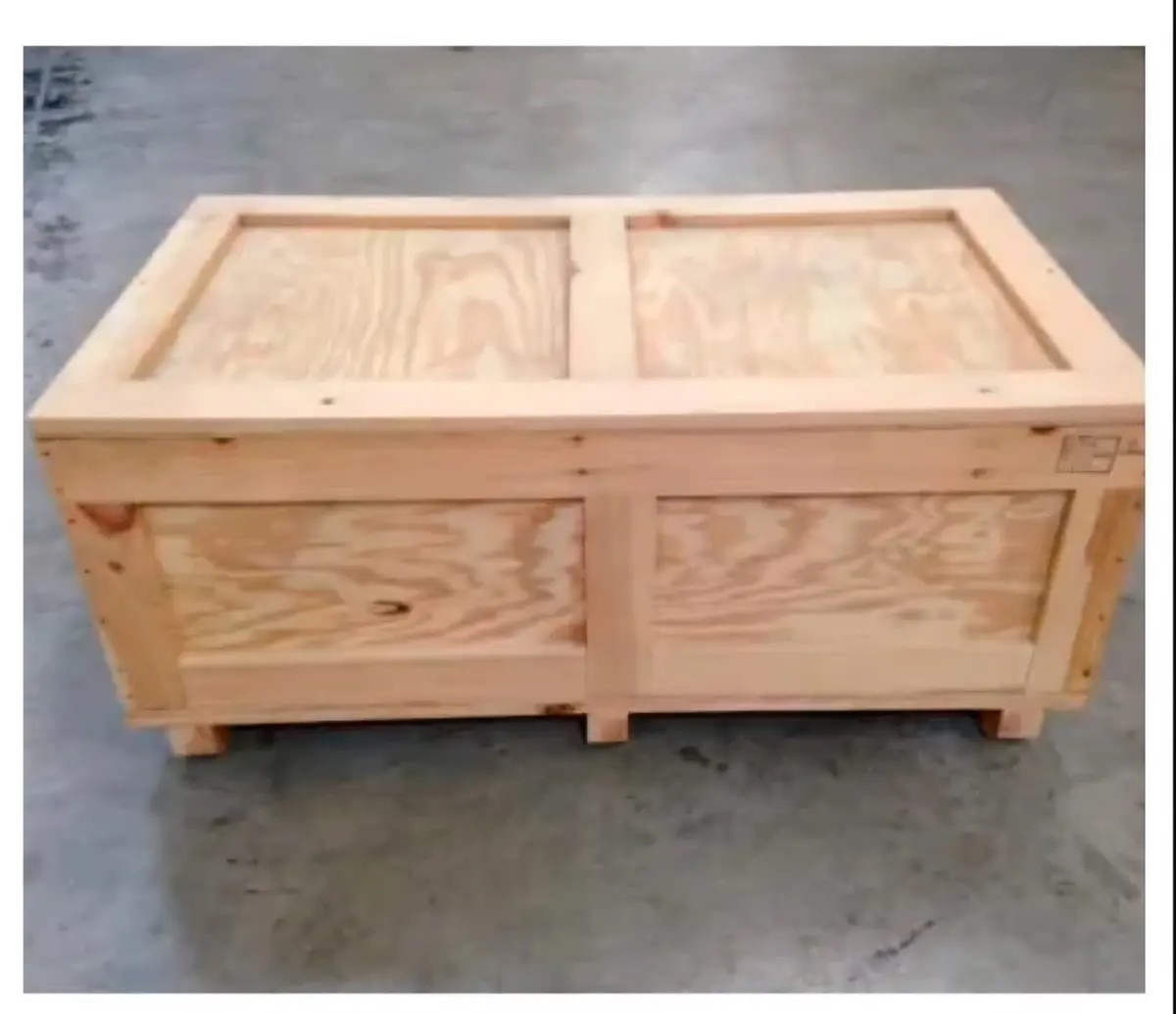
A shipping crate is the wrong purchase to improvise. The buyers who search for a crate supplier in Los Angeles usually have one specific thing to move — a CNC machine, a pallet of granite slabs, a film-set prop, an aerospace subassembly bound for a tier-one supplier — and the wrong crate either fails in transit or gets flagged at the dock. This article is about matching the box to the freight: which crate style each transport mode wants, how the crate changes your freight class, and what a local builder can turn around that an out-of-state catalog cannot.
If you are still deciding between a pallet and a crate in the first place, the custom wooden crate boxes guide walks through that distinction, the materials, and the sizing process. This piece assumes you already know you need a crate and focuses on choosing and sourcing the right one.
Crate Styles, and the Freight Each One Is For
"Crate" is a category, not a single product. The four styles that cover almost every Los Angeles shipment:
- Closed crate — Full plywood or OSB sheathing on all six faces. The default for anything sensitive to dust, weather, or prying hands: electronics, instruments, finished goods. The standard for ocean freight.
- Open (slatted) crate — Framed with gaps between boards. Lighter, cheaper, lets a forklift driver see the load. Good for rugged items that need containment but not concealment — engine blocks, fabricated steel, stone.
- Crate-on-skid — A crate built onto an integrated pallet base so it can be moved by forklift or pallet jack from any side. The workhorse for heavy machinery moving truck-to-dock-to-container.
- Export box / cleated panel box — Lightweight plywood panels with cleated edges, often collapsible. Built to ISPM-15 spec for international freight where weight and customs both matter.
For loads that exceed the standard pallet footprint — long lumber, oversized equipment, anything past 48 by 48 — the oversized pallets article covers the base structures those crates sit on. The full build catalog, including dimensions we keep tooling for, lives on the products page.
How a Crate Changes Your Freight Class

This is the part most first-time crate buyers miss, and it costs them. LTL carriers price by freight class, and class is driven by density — weight divided by the cubic footprint. A crate adds both weight and volume. Build it bigger than the contents need and you have inflated the cube without adding weight, which drops your density and bumps you into a higher, more expensive class.
The practical rule: a crate should hug the load. Every inch of empty headroom or side clearance is freight you pay to ship as air. A builder who measures the actual item and frames to it — rather than dropping your part into a stock box two sizes up — can move you a full class band in some cases. The mechanics of freight class, density, and rejection avoidance for palletized loads are covered in the shipping pallets freight guide, and the same logic applies once that load goes into a crate.
Export Crates and the ISPM-15 Line
Any wooden crate leaving the country for an IPPC member nation has to meet ISPM-15: the solid-wood components must be heat treated and stamped, exactly like an export pallet. Plywood and OSB are exempt because the manufacturing process already kills pests, but the framing lumber and any cleats are not. A crate that mixes a treated frame with one untreated cleat is non-compliant as a unit.
We build export crates with heat treated framing and the IPPC stamp applied where customs expects to see it. The regulation itself — which countries enforce it, what the stamp must show, the penalties for getting it wrong — is laid out in the ISPM-15 compliance guide, and the broader export workflow through the San Pedro Bay complex is in the export pallets article. For the treated lumber and stamp service on its own, see the heat treated pallets page.
Why a Local Builder Beats a Catalog
National crate catalogs sell stock sizes shipped flat from a distribution center. That model works when your item happens to match a SKU. It falls apart the moment you have something irregular, heavy, or time-sensitive — which describes most crate jobs.
A crate built in Los Angeles solves three things a catalog cannot. First, fit: we measure the actual object and frame to it, which is the freight-class point above. Second, lead time: a custom crate from our Boyle Heights facility is typically ready in two to four business days, against one to two weeks for a fabricated catalog order shipped in. Third, the round trip: when a vendor crates a machine to send to a Vernon or City of Industry shop, that same crate often needs to come back, and a local builder can spec it for reuse rather than one-way disposal.
Heavy machinery, aerospace tooling, and defense subassemblies out of the South Bay are the loads where this matters most. Those crates carry real liability if they shift, and the buyer is usually working against a freight booking that will not wait. The custom crate boxes service page covers the build process, materials, and the dimensions we tool for.
What to Have Ready When You Call
A crate quote moves fast when four things are on the table from the start:
- Dimensions and weight of the item — The actual object, not your guess at the box. We add the clearance.
- Transport mode — Truck, ocean, or air. It decides closed vs. open and whether ISPM-15 applies.
- Fragility and value — Whether the load needs internal bracing, foam, or a moisture barrier.
- One-way or returnable — Changes how we spec the fasteners and the lid.
For warehouses that crate regularly, setting up a standing spec for recurring item types removes the back-and-forth on every order. That kind of recurring relationship is worth structuring deliberately — the pallet supplier guide covers how to vet and contract a supplier for ongoing volume.
Frequently Asked Questions
Do you build custom shipping crates or only stock sizes?
We build to spec. You give us the dimensions and weight of the item, the transport mode, and whether it ships one-way or returns, and we frame a crate around it. Stock-size catalog crates rarely match an irregular or heavy load well, which is exactly the situation a local builder is for. Typical turnaround is two to four business days from the Boyle Heights facility.
Are your export crates ISPM-15 compliant?
Yes. Export crates are built with heat treated solid-wood framing and stamped with the IPPC mark where customs expects it. Plywood and OSB sheathing is exempt from treatment, but all framing lumber and cleats are heat treated so the crate is compliant as a complete unit. We handle the stamp documentation for shipments routing through Long Beach and LA/Long Beach to any IPPC member country.
Will a crate raise my freight cost?
It can, if it is built too big. LTL freight is priced by density, so a crate with excess empty space lowers your density and pushes you into a higher freight class. A crate built tight to the actual item keeps the cube down and can hold or improve your class. This is the main reason to use a builder who measures the load rather than dropping it into an oversized stock box.
How fast can I get a crate in Los Angeles?
Custom crates are typically ready in two to four business days depending on size, quantity, and whether bracing or moisture protection is involved. Simple open crates and crate-on-skid bases for standard machinery move faster than fully sheathed, internally braced export boxes. Rush jobs are accommodated when the schedule allows — call with your freight date and we will tell you straight whether it is doable.
What is the difference between a crate and a pallet box?
A crate is a self-contained structure with framing on multiple faces; a pallet box is essentially a pallet with collar walls added. Crates protect and contain irregular, heavy, or high-value loads for long-distance or international freight. Pallet boxes suit uniform, stackable goods. The crate-vs-pallet decision and the full materials breakdown are in our custom wooden crate boxes guide.
Tell Us What Ships, Not What Box You Think You Need
Give us the item dimensions, the weight, and the freight date. We spec the crate, build it tight to the load, and have it ready before your truck or container is.
☎ (213) 703-5326 English
☎ (323) 674-6876 Español
REQUEST A FREE QUOTE