Supply & Logistics
Pallet Supply Program for LA Distribution & Fulfillment Centers
By Bro Pallets LLC Team | Published July 8, 2026
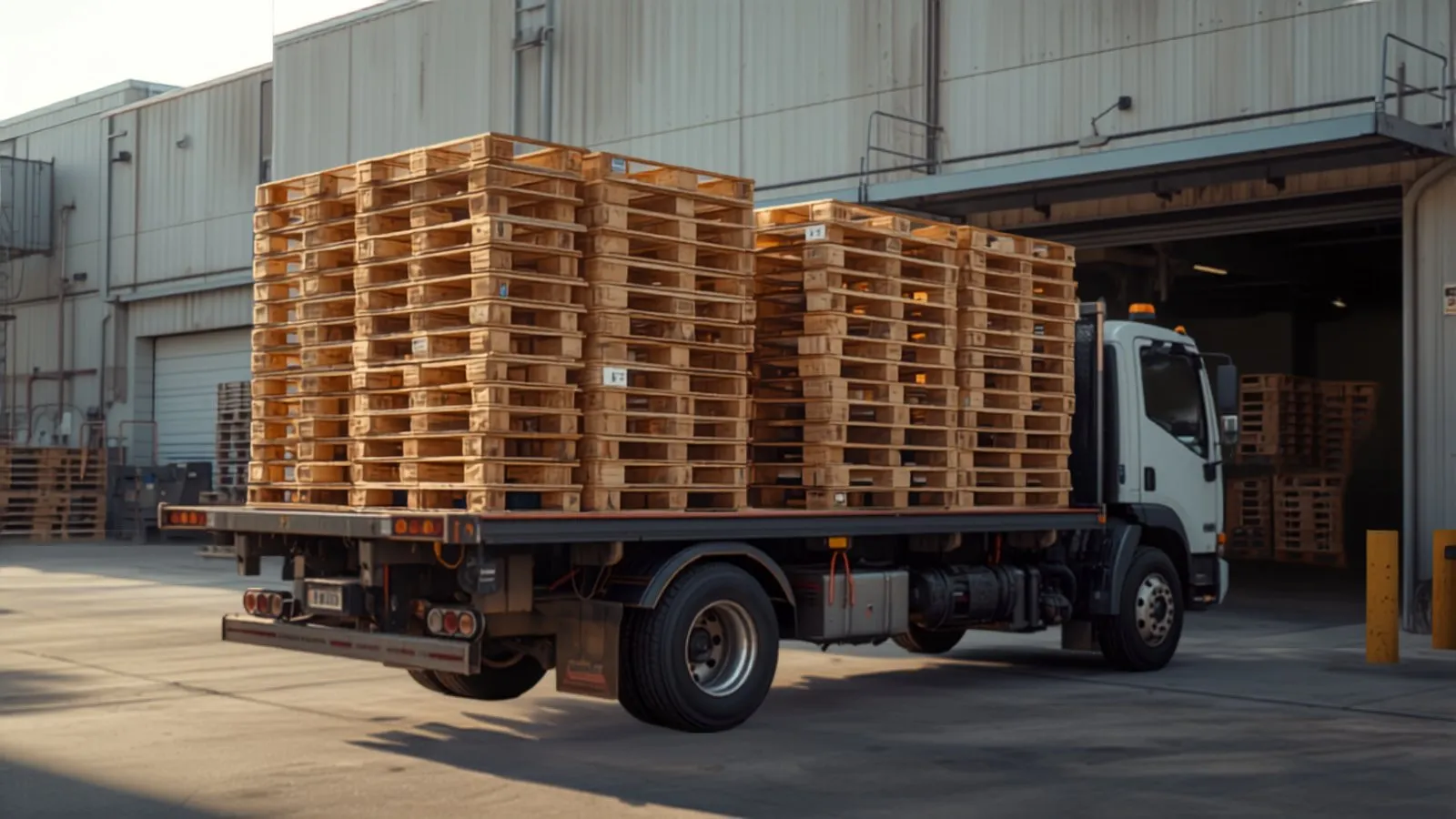
A distribution center that ships palletized freight every day does not have a pallet purchasing problem so much as a pallet supply problem. The count you burn through this week is roughly the count you will burn through next week, and the one after that. When supply is handled as a series of one-off orders, someone on your team spends part of every week checking stock, calling for a quote, and hoping the load lands before the yard runs dry. A supply program takes that recurring scramble off the table and turns it into a schedule.
For the warehouses, fulfillment operations, and third-party logistics (3PL) providers we work with across Los Angeles, the shift from spot buying to a standing program is usually the point where pallets stop being a weekly fire drill and start being a line item that simply works. Here is how a program is structured, who it fits, and what it changes about the way pallets reach your dock.
What a Pallet Supply Program Actually Is
A pallet supply program is a standing agreement to deliver a set quantity and grade of pallets on a fixed schedule, rather than quoting and ordering each time you run low. Instead of reacting to an empty rack, you set the cadence once, and the pallets arrive on that cadence. The three things that define a program are the volume you move, the mix of sizes and grades that go into each delivery, and the frequency, whether that is weekly, biweekly, or monthly.
The difference from a normal purchase is planning. A one-time bulk order answers the question of how you place a single large order, and our guide on how to buy pallets in bulk in Los Angeles walks through that mechanic in detail. A supply program answers a different question, which is how you never have to think about placing that order again. The volume is committed, the price is settled ahead of time, and the delivery is already on the calendar.
Standing Orders and Reserved Stock
The core of a program is the standing order. You tell us the count and grade you consume in a normal cycle, and we lock that in as a recurring delivery. Because the volume is predictable, we can hold stock in reserve for your account instead of you competing for whatever happens to be in the yard on the day you call. That reservation is what protects you when lumber supply tightens or when the whole region is buying at once, which is exactly the moment spot buyers get squeezed on both price and availability.
Grade consistency is part of the same commitment. A retail-facing distribution center often needs clean Grade A GMA pallets for outbound shipments to meet retailer compliance, while the same operation runs Grade B for internal moves and Grade C for one-way loads that are not coming back. A program locks each grade to the count you actually use, so every delivery matches the last one instead of arriving as a mixed surprise.
Who a Supply Program Fits

Not every buyer needs a program. If you order a few dozen pallets a couple of times a year, spot buying is simpler and there is no reason to formalize anything. A program earns its keep when your consumption is both high and steady enough that predictability is worth more than flexibility. In practice, that describes a handful of operation types across the region:
- Third-party logistics and fulfillment centers: High pallet turnover across many clients, where an empty pallet rack stops outbound freight for everyone in the building at once.
- Retail and grocery distribution centers: Steady daily outbound volume that has to meet retailer pallet-quality standards on every shipment.
- Manufacturers and food processors: Production lines that consume a fixed pallet count per shift, where a shortage idles the line rather than just the dock.
- Exporters near the Port of LA and Long Beach: Recurring container loading that needs heat-treated, ISPM-15 stamped pallets ready ahead of each booking.
- Cross-dock and e-commerce operations in the Inland Empire: The densest concentration of distribution space in the country, where throughput rarely slows down.
What these operations share is that scavenged or inconsistent stock does not work at their scale. When you are loading dozens of trucks a day, the size, grade, and count have to be exactly what you planned, every single time, and that reliability is the entire reason to move from spot orders to a program.
Reverse Logistics: Pickup Runs With Delivery
A distribution center that receives palletized inbound freight generates used and surplus pallets almost as fast as it consumes new ones. A supply program can run in both directions on the same schedule: the truck that drops your standing order picks up your surplus on the way out. That turns two separate logistics problems into one route and keeps your dock clear. If your operation produces more pallets than it needs, our pallet buyback can be built into the program so the surplus becomes credit rather than clutter.
Pricing, Delivery, and Lead Times
Two things about a program tend to matter most to a procurement manager: what it costs and whether it shows up on time. On price, predictable volume is easier for us to plan around than sporadic orders, so consistent recurring customers earn better pricing than spot buyers, and that price is locked for the term rather than floating with each quote. There are no published price sheets because the number moves with quantity, grade, frequency, and delivery point, but a program settles it once instead of renegotiating every week.
On delivery, volume moves by flatbed across Los Angeles and Southern California, and delivery is free on orders of 100 or more pallets anywhere in our service area. Because a program is scheduled, the lead-time uncertainty that comes with spot orders mostly disappears; the pallets are already routed. If you want to understand how scheduling and rush windows work before committing, our article on pallet delivery times in Los Angeles covers what to expect from order to dock. You can see the full range of grades, sizes, and heat-treated stock a program can include on our product page.
Setting One Up
A program comes together from a short conversation about your real throughput. The useful details are the pallet sizes and grades you use, your typical count per cycle, how often you want delivery, your receiving hours, and whether you also need surplus picked up. From there we build the schedule, reserve the stock, and set the price for the term. There is no obligation to ask, and if a program does not fit your volume we will tell you that plainly and point you toward simple spot ordering instead. You can browse the current lineup of pallets for sale in Los Angeles on our homepage, or compare buying against a pooling arrangement in our breakdown of pallet rental versus buying.
Ready to Set Up a Pallet Supply Program?
Tell us your weekly or monthly volume, the sizes and grades you use, and your delivery point. We will build a standing schedule with reserved stock and locked pricing, in English or Spanish, with free delivery on orders of 100 or more.
☎ (213) 703-5326 English
☎ (323) 674-6876 Español
REQUEST A FREE QUOTE