Buying & Sourcing
Pallet Rental vs Buying in Los Angeles: Which One Actually Costs Less?
By Maynor Martinez, Bro Pallets LLC | Published June 16, 2026
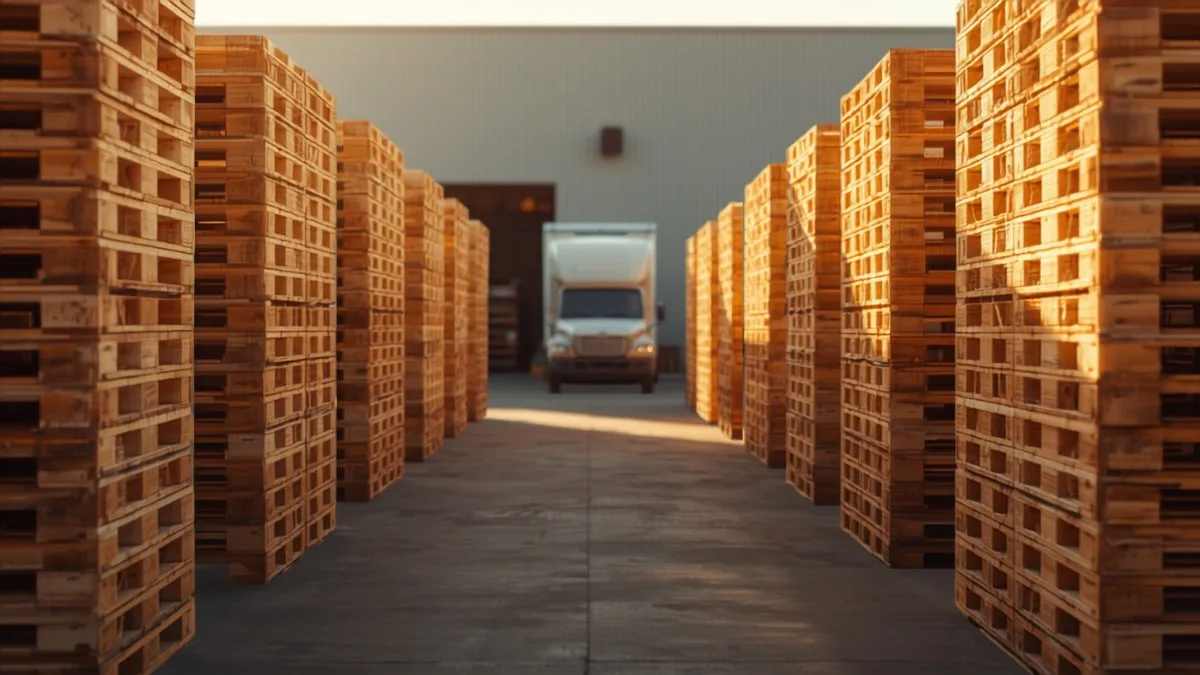
Somewhere between the loading dock and the accounting office, the question always comes up: should we rent pallets through a pooling network or just buy our own? It sounds like a simple cost comparison, but the honest answer depends on how your pallets move, how many you lose, and whether you ever get them back. The model that looks cheapest on a per-trip rate can quietly become the most expensive once the fees and lost-pallet charges land.
To be clear about where we stand: Bro Pallets is not a pooling company. We sell pallets and we buy them back, which is a different model than renting. That said, we would rather you choose the right system for your operation than oversell you, so this is a straight look at how rental, pooling and ownership compare for a Los Angeles business.
The Three Models, Briefly
Most pallet supply falls into three arrangements, and the words get used loosely, so it helps to define them:
- Pooling (true rental). You pay a per-trip or per-day rate to use pallets owned by a national network. The blue, red and brown pallets you see belong to these pools. You never own them, and you are responsible for returning them or paying for ones that go missing.
- Buying outright. You purchase the pallets and they are yours. You handle storage, repair and end-of-life, but there are no recurring rental fees and no per-trip clock running.
- Buying with buyback. You buy pallets, use them, and sell the reusable ones back when you are done. This is the model we run, and it sits between the other two: you own the pallet while you need it, then recover value instead of paying to give it back.
Where Rental and Pooling Make Sense
Pooling is not a trap, and for some operations it is genuinely the right call. It works best when your pallets leave your control and you have no practical way to get them back — for example, shipping single loads to many retail destinations across the country where chasing empties would cost more than the pallet. In that pattern, letting the network own the asset and handle recovery can be cleaner than buying pallets you will never see again.
The catch is that pooling assumes a closed, disciplined loop. The per-trip rate is only the headline number. Pallets that leave the network, get damaged beyond the pool's standard, or simply vanish turn into charges, and those charges are where pooling bills tend to surprise people. If your loads scatter and your control over return is loose, the "rental" can cost far more than the sticker rate suggests.
Where Buying Wins

Buying tends to win when your pallets stay close to home or cycle through a route you control. A few situations point clearly toward ownership:
- Local and regional delivery. If most loads stay inside Los Angeles and Southern California, you can recover and reuse pallets yourself, so paying a per-trip rental fee on each one is money spent for no added benefit.
- Closed-loop routes. When pallets cycle between your own sites or a fixed set of partners, you own a reusable asset instead of renting the same trip over and over.
- Steady volume. A predictable weekly need is exactly where ownership amortizes. The pallets pay for themselves across cycles, and there is no clock running on each one.
- Mixed and custom sizes. Pools are built around standard sizes. If you run oversized or custom pallets, buying is usually the only realistic path anyway.
For most warehouses and manufacturers we work with in LA, the loads stay regional, which is why ownership — especially ownership with buyback — lands cheaper over a year than paying rental on pallets that never really leave the area. If you want the underlying numbers on buying, our guide to pallet prices in Los Angeles for 2026 lays out what actually drives the cost.
Buyback: The Middle Path
The reason buying with buyback often beats both pure renting and pure buying is that it removes the two weak points. You are not paying a recurring fee for an asset you control, and you are not eating the full cost of a pallet at end of life because the reusable ones carry residual value. When you are done with a batch, we buy back the pallets that still have life in them and pick them up, which turns what would be a disposal cost into a recovery. The mechanics of that are covered in our pieces on selling your pallets and our pallet pickup service, and the broader comparison of owning new versus recycled stock is in recycled vs new pallets.
This is also where the honest accounting matters. A pooling quote shows you a clean per-trip rate; an ownership-with-buyback model shows you a purchase price, a usage period, and a recovery value at the end. To compare them fairly, you have to run the full cycle, not just the first number. When you do, regional operations usually find that ownership with buyback comes out ahead, while truly national, one-way shippers may still prefer the pool.
How to Decide for Your Operation
The decision comes down to control. Ask whether your pallets come back to you, how far they travel, how predictable your volume is, and what a lost pallet actually costs you in your current setup. If the answers point to loads that stay regional and come back, ownership with buyback is almost always the lower total cost. If your pallets scatter one-way across the country and never return, pooling may earn its fee. We are happy to look at your route and volume and tell you honestly which way the math leans, even when the answer is that a pool fits your pattern better than buying does. You can also weigh this against the wider sourcing decision in our guide to choosing a pallet supplier in Los Angeles.
Rent or Buy? Let Us Run the Real Numbers
Tell us how your pallets move, your sizes and your weekly volume. We will give you an honest read on whether buying with buyback or pooling costs you less — no obligation.
☎ (213) 703-5326 English
☎ (323) 674-6876 Español
REQUEST A FREE QUOTE