Pallet Sizes Guide
How to Choose the Right Pallet Size for Your Business
By Maynor Martinez, Bro Pallets LLC | Published March 29, 2026
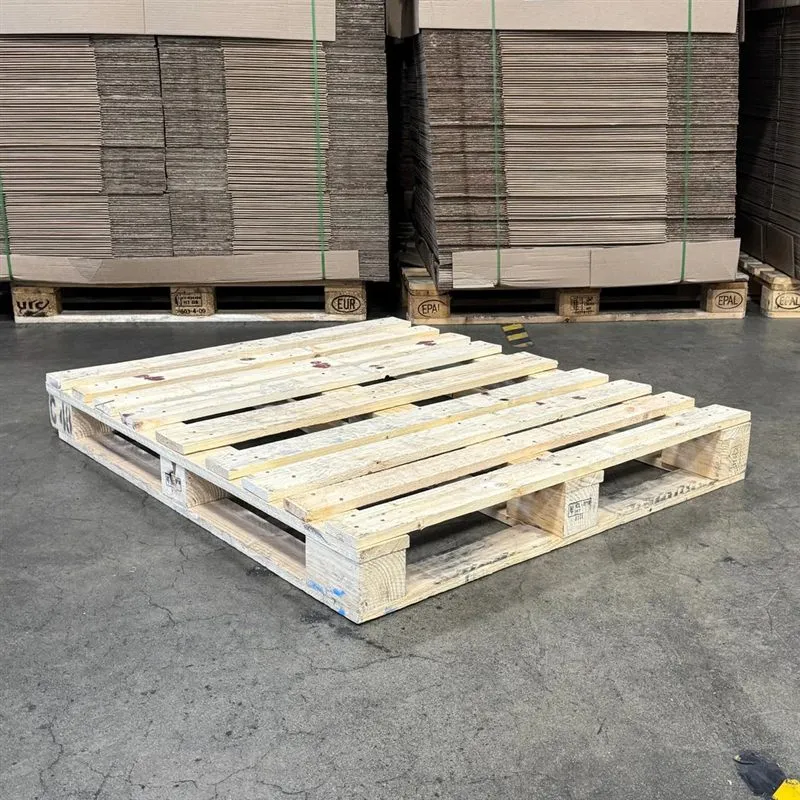
Choosing the right pallet size is one of those decisions that seems simple on the surface but can have a major impact on your shipping costs, warehouse efficiency, and product safety. Whether you are running a distribution center in Los Angeles, managing a manufacturing floor in Vernon, or shipping goods across the country from the Inland Empire, the pallet you choose matters more than you might think.
Below you will find the most common pallet dimensions, which industries rely on each size, and a practical framework for picking the right one for your operation.
Understanding Standard Pallet Sizes in the United States
The pallet industry has settled on several standard sizes over the decades. These dimensions exist because they fit efficiently into standard truck trailers, shipping containers, and warehouse racking systems. Here are the most widely used pallet sizes in North America:
The 48x40 Inch Pallet (GMA Standard)
The 48x40 pallet is by far the most common pallet size in the United States. It is the standard set by the Grocery Manufacturers Association (GMA) and is used across nearly every industry, from food and beverage to retail, manufacturing, and pharmaceuticals. If you are unsure which size to choose, the 48x40 is almost always a safe bet.
This size fits perfectly on standard semi-trailers, allowing you to load two pallets side by side across the width of the trailer. A standard 53-foot trailer can hold approximately 26 of these pallets on a single layer. That kind of efficiency is why this size dominates the market.
The 48x40 is also the most compatible with standard pallet racking systems, making it easy to integrate into any warehouse in the Los Angeles and Southern California area.
The 42x42 Inch Pallet
The 42x42 pallet is the standard in the telecommunications and paint industries. Its square shape makes it ideal for products that need equal support on all sides, such as drums, barrels, and large cylindrical containers. If your business handles paints, chemicals, or similar products, this is likely the pallet size you need.
The 36x36 Inch Pallet
Smaller operations or businesses shipping lighter, more compact products often benefit from the 36x36 pallet. This size is common in the beverage industry and for smaller retail shipments. It takes up less floor space, which can be a real advantage in tight warehouse environments.
The 48x48 Inch Pallet
The 48x48 square pallet is heavily used in the drum and barrel industry. Its larger footprint provides maximum stability for round containers and is also popular for agricultural products. If you are shipping 55-gallon drums or similar large containers, this size offers the stability and support you need.
GMA Standards and Why They Matter
The Grocery Manufacturers Association established the 48x40 pallet as the industry standard for good reason. GMA pallets follow strict specifications for board thickness, nail patterns, and load capacity. When you order a GMA-grade pallet, you know exactly what you are getting in terms of quality and performance.
GMA standards ensure compatibility across the entire supply chain. Your pallets will fit on any standard truck, work with any standard racking system, and be accepted at any major distribution center or retail receiving dock. For businesses that ship to large retailers or grocery chains, using GMA-standard pallets is not just recommended, it is often required.
Factors to Consider When Choosing Your Pallet Size
Product Weight and Load Distribution
The weight of your products is one of the most important factors in pallet selection. Heavier loads require pallets with thicker deck boards and more stringers or blocks for support. A standard 48x40 GMA pallet can typically handle between 2,500 and 4,600 pounds depending on the grade. If your loads exceed this, you may need a heavy-duty or custom-built pallet.
Load distribution also matters. Products that concentrate weight in one area of the pallet need stronger construction in that zone. Talk to your pallet supplier about your specific load requirements so they can recommend the right build.
Warehouse Racking Compatibility
Before ordering pallets, measure your existing racking system. Pallet racks are designed for specific pallet dimensions, and using the wrong size can create safety hazards, reduce storage capacity, or prevent pallets from fitting at all. If you are setting up a new warehouse, plan your racking around the pallet size you intend to use most frequently.
Shipping and Transportation Requirements
Pallet size directly affects how many units you can fit in a truck or container. Using a non-standard size might mean wasted space in every shipment, which adds up to significant cost over time. If you ship via standard 53-foot trailers, the 48x40 pallet maximizes your space. For international shipping in standard containers, check the container dimensions first, as different sizes may be more efficient.
Industry Requirements and Retailer Standards
Many large retailers and distribution networks have specific pallet requirements. Walmart, Costco, Amazon, and most grocery chains require or strongly prefer the 48x40 GMA standard. If you supply these retailers, using their preferred pallet size avoids chargebacks, delays, and rejected shipments.
When to Consider Custom Pallet Sizes
Standard sizes work for most businesses, but sometimes your products just do not fit standard dimensions efficiently. Oddly shaped machinery, oversized equipment, or unique product configurations may require a custom-size pallet built to your exact specifications.
Custom pallets can actually save you money in the long run by reducing wasted space, improving product protection, and eliminating the need for additional packaging or dunnage. We build custom pallets to any dimension — whether that is a slightly modified 48x40 or something built from scratch around your product. For loads that exceed standard footprints — machinery, solar panels, aerospace components — see our guide on oversized pallets in Los Angeles.
Wood vs. Plastic: Does Material Affect Size Choice?
For a quick-reference table with exact dimensions, weights, and load capacities for every standard size, see our complete pallet dimensions and size chart.
Both wood and plastic pallets come in all the standard sizes mentioned above. The material choice does not typically change the dimensions you need, but it can affect weight capacity, durability, and cost. Wood pallets are available in virtually any custom size, while plastic pallets tend to be limited to standard dimensions.
Get the Right Pallets for Your Business
Choosing the right pallet size is a decision that affects your entire supply chain. The right choice saves money on shipping, maximizes warehouse space, keeps your products safe, and ensures compliance with retailer requirements.
Not sure which size fits your setup? Call us with your product dimensions and we will point you to the right pallet — standard or custom-built.
Frequently Asked Questions
What is the most common pallet size in the United States?
The 48x40 inch pallet, known as the GMA standard, is by far the most common. It is used across virtually every industry — from grocery and retail to manufacturing and pharmaceuticals — and fits two across the width of a standard 53-foot trailer.
What size pallet do I need for my business?
It depends on your product weight, racking system, shipping method, and any retailer requirements you need to meet. The 48x40 GMA standard works for most operations. Specialty industries may require 42x42 (drums and paint), 36x36 (beverages), or 48x48 (large barrels).
How many 48x40 pallets fit in a 53-foot trailer?
Approximately 26 on a single layer. Two 48x40 pallets fit side by side across the trailer width, which is why this size dominates North American logistics.
When should I use a custom pallet size instead of a standard size?
Custom sizes make sense when your products do not fit standard dimensions efficiently — think oddly shaped machinery, oversized equipment, or unique packaging configurations. A custom pallet can actually reduce costs by eliminating wasted space and extra packaging.
Need Help Choosing the Right Pallet Size?
Call us today for expert advice and a free quote on pallets delivered to your door.
☎ (213) 703-5326 English
☎ (323) 674-6876 Español
REQUEST A FREE QUOTERelated Articles
Standard Pallet Dimensions: Complete Size Chart
Quick-reference chart with weights, load capacities, and industry uses for every standard pallet size.
GMA Pallets Explained: Grade A, B, and C
Understand the differences between pallet grades and which one is right for your operation.
Wood vs. Plastic Pallets
Side-by-side comparison on cost, durability, hygiene, and export compliance.
Block vs Stringer Pallets
After picking your size, decide on construction: 4-way block entry vs 2-way stringer.