Buying Pallets
Cheap Pallets for Sale in Los Angeles: How to Buy Low Without Buying Problems
By Bro Pallets LLC Team | Published July 1, 2026
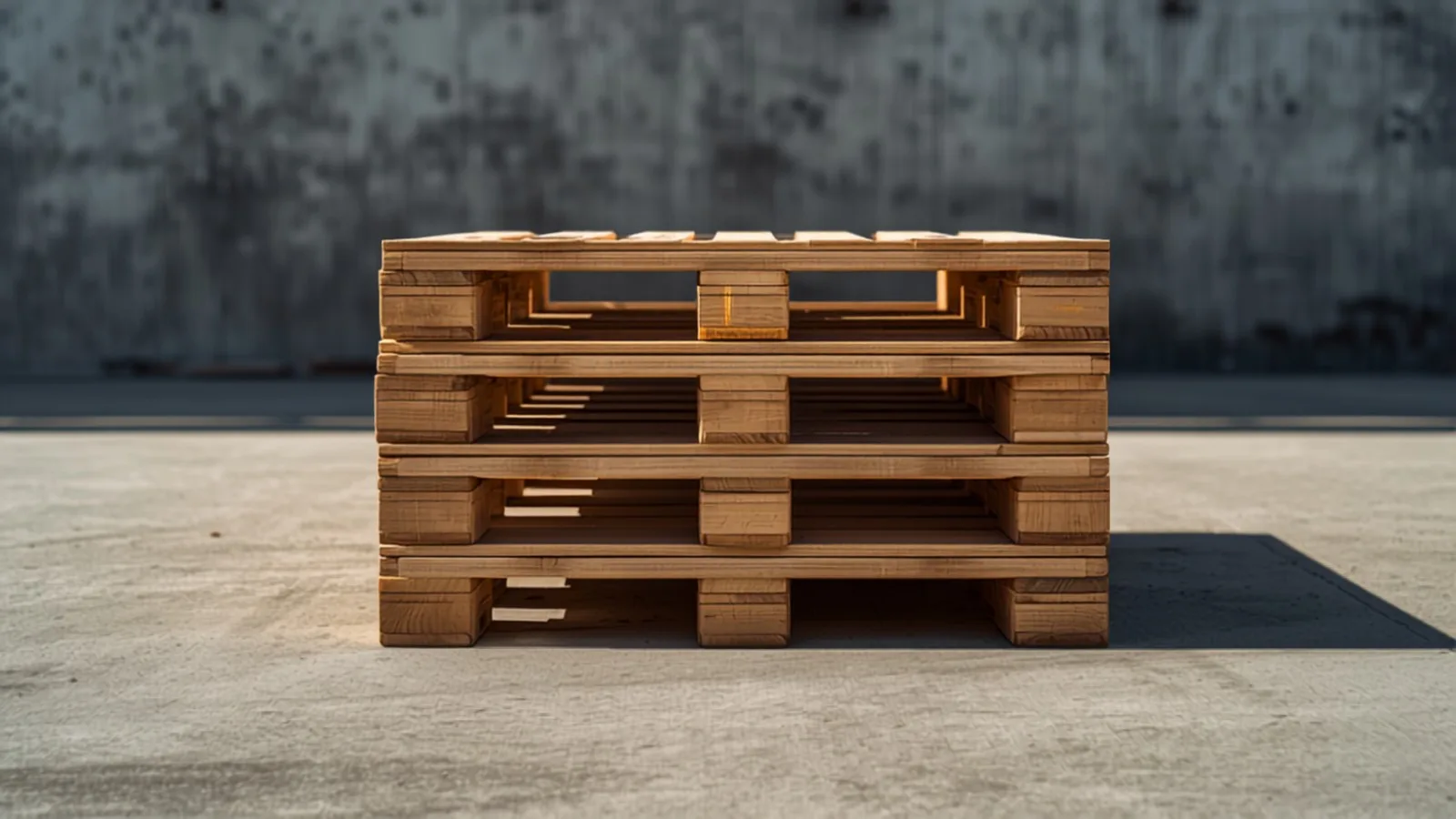
Search for cheap pallets in Los Angeles and you will find two very different things wearing the same word. One is a low unit price on a sound, inspected pallet that happens to be a used economy grade. The other is a pile of unsorted wood that looks like a bargain until a stringer cracks under load and a shipment gets rejected at the dock. The word cheap does not tell you which one you are looking at, and that gap is where most buyers lose money.
Closing that gap is the whole point. There are real, legitimate ways to pay less for a pallet in LA, and there are false economies that cost more than they save. Understanding the difference comes down to a handful of factors that actually move the price, plus knowing when a low grade is the right call and when it is the wrong one. We buy and sell pallets across Los Angeles every day, so these are the trade-offs we walk customers through before they order.
What Actually Makes a Pallet Cheaper
A lower price is not random. It traces back to three things, and each one is a lever you can pull on purpose rather than a discount you stumble into.
The first lever is condition, which the industry sorts into grades. A used pallet costs less than a new one because it has already done work, and within the used category the grade sets the price. A recycled economy pallet is the most affordable option we stock, while a like-new premium pallet costs more because it is closer to new. The grade you choose is the single biggest factor in what you pay, which is why matching the grade to the job matters more than chasing the lowest sticker.
The second lever is size and standardization. A standard 48x40 pallets footprint is the most common pallet in North America and accounts for roughly 30 percent of all new wood pallets produced each year, so it is the easiest and least expensive to source in volume. A custom or oversized build costs more because it is made to your specification with heavier lumber. If your freight fits the standard footprint, insisting on custom is spending money you do not need to spend.
The third lever is quantity. Pricing here is quote-based and runs in tiers, from retail on small orders under 50, to wholesale at 100 or more, to high-volume rates at 500 and up. On orders of 100 or more we include free delivery anywhere in our service area, so the effective per-pallet cost drops further as the count rises. Buying a handful at a time is almost always the most expensive way to buy pallets per unit.
The Grades, From Least to Most Expensive
- Grade C (Economy): Functional with visible wear and repaired boards. The lowest-cost graded option, suited to one-way shipments and light-duty use where cost is the priority.
- Grade B (Standard): Structurally sound with minor cosmetic wear. The best balance of quality and value for general warehousing, internal transfers, and routine shipping.
- Grade A (Premium): Like-new condition with all boards and blocks intact. For retail display, export, and the major retailers that require clean stock.
- New: Built fresh when presentation or a guaranteed spec matters, and available heat treated for international export. The highest cost of the four.
The full breakdown of how these grades are assigned lives in our guide to GMA pallet grades, which is worth reading before you decide which grade your operation actually needs.
When Cheap Is the Right Decision

Cheap is not a compromise when the job does not need more. A grade C economy pallet is genuinely the smart buy for a one-way shipment where the pallet is not coming back, for temporary storage, or for light loads that never approach the pallet's capacity. Paying for premium stock in those situations is spending money on a quality margin you will never use.
Used and recycled pallets exist precisely because a pallet does not have to be new to move freight safely. A recycled 48x40 that has been inspected, repaired, and graded carries real loads reliably at a fraction of the price of new. The key word is inspected. The savings are real when the pallet has been checked and sorted before it ships, which is exactly what separates an affordable pallet from a risky one. For a full side-by-side on where recycled stops saving and new starts paying off, see our recycled versus new pallet cost comparison.
When Cheap Costs More Than It Saves
The false economy shows up when the low price hides a problem the pallet will hand you later. A cracked stringer or a missing block turns into a dropped load and a damaged product. A pallet that is out of spec gets your freight refused by a retailer or a carrier that requires a specific size and grade. An untreated pallet used for an export shipment gets held, fumigated at your expense, or returned by destination customs, because more than 180 countries require the ISPM-15 heat-treatment stamp on wood packaging as of 2026.
None of those failures show up on the price tag. They show up on the next invoice, in a rejected shipment, or in a customer relationship that takes the hit. This is why the cheapest quote is not always the best value, and why every pallet we sell is inspected and graded before it leaves the yard. The grade you order is the grade you get, which means the low price is attached to a known, checked condition rather than to a gamble.
Free Pallets: The Cheapest Option and Its Limits
The lowest price of all is free, and for one or two pallets on a personal project it is realistic. Plenty of LA businesses set used pallets out for collection. The limits are strict, though: free stock is unsorted, inconsistent in size and grade, never available in the quantity a business runs on, and it may carry chemical treatment marks you do not want. Our walkthrough of where to find free pallets in Los Angeles covers how to do it safely, including how to read the stamps. For anything beyond a one-off, free stops being an option and becomes a scavenging problem.
How to Buy Cheap Pallets the Right Way in LA
Buying low without buying problems comes down to a short, practical sequence rather than luck.
- Match the grade to the job. Order grade C for one-way and light-duty work, grade B for routine shipping and storage, and reserve grade A or new for retail, export, and spec-critical loads.
- Stay on the standard footprint. If your freight fits a 48x40, buying that footprint is cheaper and faster to source than custom.
- Buy in the right quantity. Ordering 100 or more moves you into wholesale pricing with free local delivery, dropping the per-pallet cost.
- Buy inspected stock. A low price only saves money when the pallet has been checked and graded, so it does not fail under load or at the dock.
If you want a sense of the current market before you commit, our overview of pallet prices in Los Angeles for 2026 lays out what moves cost up and down. When you are ready to compare grades against your actual freight, we keep pallets for sale in Los Angeles in every grade, sorted and ready, and we will tell you honestly which grade fits your load rather than upselling you into stock you do not need.
Looking for Affordable Pallets in Los Angeles?
Tell us the grade, size, and quantity you need. We will give you a fast, honest quote with no obligation, in English or Spanish, with free delivery on orders of 100 or more.
☎ (213) 703-5326 English
☎ (323) 674-6876 Español
REQUEST A FREE QUOTE